Last Updated on January 11, 2026 by Martina McKeough
I’m what you would call a seasoned traveller having visited over 40 countries over the years and I am constantly looking for the perfect travel shoes. What you wear on your feet impacts your journey so lets talk about one shoe everyone talks about for travel Doc Martens. Are Doc Martens good for traveling or are you better off finding something different to wear on your trips?
When looking for travel footwear I look for comfort, support and durability and also whether they suit the climate that I am travelling to.
Each country or city has different types of footwear requirements and I look to buy a few pairs of shoes that are just as capable of navigating cobblestone streets as they are walking in the jungle (in my case looking at Orang-Utans in Borneo).
Here’s what you need to consider when thinking about Docs being an all-rounder shoe/boot.
This post may contain affiliate links which means that we get a commission if you choose to make a purchase through the link. This is at no cost to you. Please read our disclosure page for more information.
The Pros and Cons of Doc Martens For Travel
An ideal travel shoe should have the following:
Critical Features – My footwear to be comfortable and supportive so that I hardly notice them in my feet.
Variable Features – The best travel shoes need to be durable and suit the weather conditions or activities I am planning on doing.
Smart Travel – If they are being packed in a case they need to be easy to carry, not weight a ton and minimize luggage space.
Based on these criteria are Doc Martens good for traveling? Well here are the pros and cons.
Pros:
- They have sturdy, thick soles provide good support and stability when walking for long periods
- They are known for their durability and longevity
- Ankle support helps prevent injury or fatigue if you are wearing their boots
- Their distinctive style works well because they are fashionable as well as functional.
- They are warm and can retain heat nicely in some colder climates
- The leather and seam-sealed styles are waterproof and stand up well in rain or snow
Cons:
- The rigid sole lacks adequate cushioning or shock absorption which can be tiring on your feet
- They are heavyweight and bulky so not exactly ideal for packing minimally
- The have a really long break-in period which you really shouldn’t attempt whilst travelling
- They are an expensive investment that require continued care and maintenance
- Docs lack ventilation and breathability making your feet overheat in warmer destinations
So Are Doc Martens good for traveling? Well the pros vs cons list shos that whilst Doc Martens may work in some situations using them as your first choice of footwear across different environments and trips isn’t really going to work.

Why People Want To Travel In Doc Martens
Why are Doc Martens so popular that people want to wear them for everything?
Well over the years the boots have become iconic and that means that they transcend age and culture. Everyone wears them from little kids to trendsetters and pensioners.
The hard-wearing leather is incredibly strong and durable so they have become a mainstay in many wardrobes.
I’m a fan of their minimalist design and the fact that you can pair them with jeans for a casual look or wear them with dresses if you want to look a little edgier or cool.
The shoes also have great traction and being a sturdy boot they tend to work well in lots of different situations making them popular with so many people.
Maintaining them isn’t too difficult either so over time they age like a fine wine and still look reasonable good.
However although they are relevant, stylish and hardwearing travel shoes need a little more and that includes comfort, support and suitability for the weather and terrain I’m in. This is why Docs aren’t always going to be the best choice of footwear for every trip you take.
Are Docs Comfortable? Breaking In New Shoes
I’ve learned through bitter experience that the biggest problem with Doc Martens shoes is that they can take an age to break in.
Breaking in your shoes properly is critical otherwise those heavy duty shoes and boots are going to munch your feet and give you big horrible blisters.
Hard wearing leather Doc Martens require an period of intense wearing to soften them up so that they mold to your feet. Don’t even think of skipping this step or trying to wear a new pair of shoes before a trip.
You should start by wearing your new Docs for short periods, gradually increasing the time so the leather softens and relaxes. I recommend this method: protect your ankles with thick socks and be armed with a little bit of moleskin to shield any hot spots.
Incorporating a leather conditioner can also speed up the process. Doc Martens have their own Wonder Balsam that works well. Flexing the soles and bending the boots will also improve their suppleness, leading to a more comfortable fit.
There’s no sugar coating it; breaking in Docs can seem like a daunting task and definitely something you don’t want to start just before a trip. However even if you break in your shoes so they feel more comfortable there are still things you need to consider.

Different Terrains and Hiking in Doc Martens
Are Doc Martens good for traveling if you are planning on walking on different terrains?
I know I’ve walked many miles in different kinds of shoes, and it’s obvious to me that not every shoe works for every terrain.
Whilst my Docs can work ok in an urban environment they fare much less well in rugged terrains.
Hiking boots designed for walking on uneven terrain provide a level of traction and ankle support that is hard to match.
Think about where you are traveling before thinking that Docs will work for every location because they can’t. Docs can handle some city style breaks because their sturdy soles and cushioning can do a decent job in normal streets.
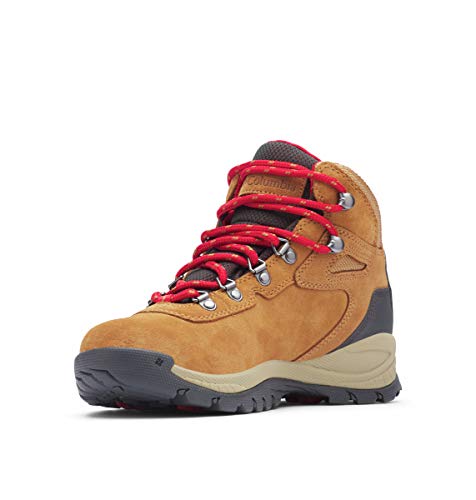
However if you are planning on walking or trekking anywhere slippy then you need hiking boots with great traction and ankle support. These are going to be purpose built to offer comfort and safety when you are walking longer distances on unpaved paths.
Docs also don’t have enough breathability which is another drawback especially in warmer climates.
Hiking boots are designed for better air circulation and keep your feet cooler on hot long days of walking around.
Plus hiking boots that are waterproof can deal with crossing streams or walking in wet areas. Docs don’t offer the same level of protection at all.
So if you are travelling think about your journey as well as the terrain and temperature. Whilst Docs might work in some locations they are unlikely to be able to cope with more adventurous trails and terrains.
Can You Wear Doc Martens in The Summer or Winter?
Doc Martens shoes work best in moderate climates where there aren’t many weather extremes.
These shoes were originally made in England and we don’t tend to have ridiculously hot and humid summers or bone chilling temperatures. Instead we exist in an area where temperatures stay relatively comfortable for most of the year.
Docs work well in similar environments and I would have no problem wearing them for a city break in spring or autumn in most places in Europe, certain locations in the US and other countries where the weather isn’t extreme.
Are Docs good for the winter? Well Docs aren’t so great in the biting cold because they lack insulation, the traction isn’t sufficient and if the snow is too heavy you are going to have problems.
Docs certainly didn’t come with me into the Arctic when I went looking for the Northern Lights. They also didn’t get used in Moscow in -18 Degree temperatures. Even with socks their boots and shoes don’t work in the extreme cold.
On the flip side I also didn’t bring them on holiday when I was in hot humid climates as they trap in the heat. I’ve travelled extensively in Asia and the last thing I wanted to be wearing was thick heavy boots with poor ventilation.
The fact is that Doc Martens shoes and boots are not really great in extreme weather destinations but they do a pretty decent job in temperate zones however there are better shoes available if you look.
Wearing Dr Martens For Walking All Day
I’ve walked many many miles whilst traveling, sometimes through bustling city streets as well as on the less forgiving trails of the countryside. In every situation I’ve only wanted one thing and that was incredibly comfortable shoes.
Are Docs good for walking all day? Well I know that Doc Martens talk about their air cushioned insoles and how when they are broken in their footwear should give you all the support and comfort you need but sorry that isn’t the case.
I find that Doc Martens lack two things and that is proper arch support which I absolutely need for long walks and supportive cushioning.
When you are walking around a new city for hours on end arch support and comfort are essentials and nothing else matters. Docs despite the claims are harsh on your feet and after a while they are going to create sore feet.
Yes of course they are fashionable and look good but that isn’t enough. In my case I need comfort over style and not the other way round and that is why I tend to stick with cushioned trainers now in a city or hiking boots on uneven ground. In super cold temperatures I have warmer boots that keep my feet warm. Docs don’t really get much of a look in.
So if you want to walk miles in your Docs think again as this isn’t really what they are designed for. There are plenty of other boots and shoes that work better when you are spending a long day on your feet.
Alternative Travel Footwear
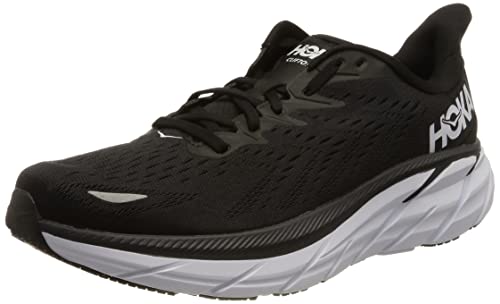
The fact is that for most new destinations I find that sneakers work better and give me much more comfort when I am walking thousands of steps each day.
I pick a design that focuses on cushioning and support so that I can handle treks through airports, stroll through cities and walking around sightseeing.
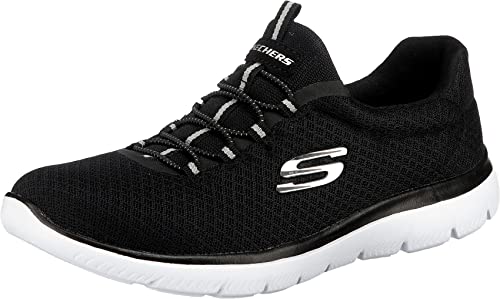
I tend to wear slip-ons but lace ups can work just as well but remember you may need to be taking them on and off at security checkpoints.
I also like to stick with black sneakers where possible that go with everything and hide the dust and dirt.
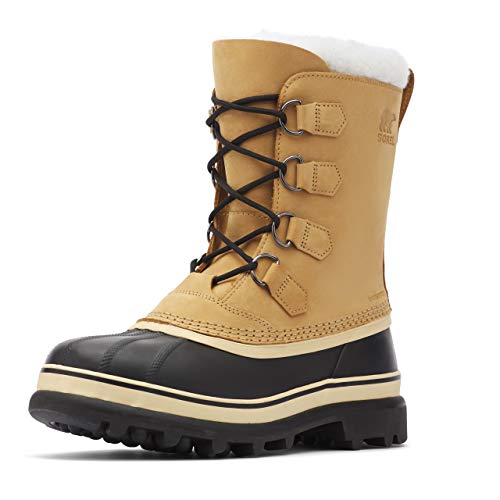
If you are heading to somewhere in the wet seasons or are planning on walking in the snow they still look for comfort and support but choose water-resistant boots with slip resistant bottoms. Here you need functional not fashionable footwear if you are going to walk around in comfort.
Sandals with adjustable straps and cushioned soles can be a lifesaver for those of you bound for warmer climates. They offer breathability and freedom and ensure your feet remain cool and comfy plus they require less space in your luggage. I would still bring sneakers for certain situations but decent sandals are great in hotter weather.
The Essential Packing List: Which Shoes to Bring Along
Depending on the location I’m going I tend to stick with the following types of footwear when travelling.
Comfy Sneakers
I always include a pair of breathable, lightweight sneakers for walking around in and sightseeing. I choose ones with good arch support, extra cushioning and slip-resistant soles. If possible I like slip-ons because they are easier to get on and off at airport security. My favorites include:


Walking Sandals
If the destination I am going to is really warm then I’ll bring walking sandals as well with cushioned soles and adjustable straps. These are great for walking around hot humid cities.
I know many people also bring flip flops for beach destinations. I have never personally got on with them but if you are bringing a pair think about choosing ones with arch support like Archies.

Hiking Boots
Whilst I love city breaks I have gone on holidays that have involved some trekking or hiking so I use hiking boots. Mine are waterproof, have good traction and cushioning and are breathable.
Weatherproof Boots
My trips to colder climates like the Arctic and Russia needed something a little more heavy duty so I bought snow boots which are water resistant and keep my feet warm and dry in very cold temperatures.
Nicer Shoes For The Evening
Some people bring some neutral heels that work well with most outfits to use for fancy dinners or nights out.
As my days of wearing heels is over I tend to stick with smart ballet pumps that go with everything and take up virtually no space in my luggage. I personally like FitFlops.

Maintenance on the Move: Keeping Your Doc Martens in Tip-top Shape
Maintaining Doc Martens on your travels isn’t too difficult. I find that regular cleaning with a damp cloth can remove dirt and debris from a days walking quite easily.
Just make sure the cloth is not too wet, as excess moisture can harm the leather. Wipe the surface in a gentle, circular motion to lift dirt without scuffing the material.
Invest in a leather conditioner to keep the boots supple and prevent cracking. Apply a small amount after cleaning, working it into the leather with a soft cloth. This routine not only preserves the life of your boots but also retains their comfort and flexibility which is crucial if you are doing prolonged walking.
If you encounter wet conditions, let your boots dry naturally away from direct heat sources. Stuffed newspapers inside absorb moisture and help maintain the shape as they dry. For snowy climates, consider a water-resistant spray before setting out to add a protective layer against the elements.
Finally, rotate your shoes if possible. Wearing the same pair non-stop can accelerate wear and tear. By giving your Martens time to rest between outings you will make them last longer.
Are Doc Martens Comfortable Enough For Travel?
I know that Doc Martens are iconic and because of that I’m tempted to pack them but I’m smart enough now to know that ultimately comfort matters when I’m on holiday.
Walking around exploring a city for hours on end means that my feet need a shoe that supports them during long walks and makes them feel like they are walking on air.
For the most part this means wearing sneakers will always be more practical as a travel shoe.
In colder destinations Docs really aren’t that suitable at all. I’ve worn Docs in the UK snow but we barely have an inch of cold stuff on the ground. Most destinations I’ve travelled to in winter have much more extreme weather than here and that means specialist boots.
You really need to think about your travel footwear carefully before you go and bring a few different styles of shoes or boots with you to suit your environment. Sandals for summer days, water resistant hiking boots for when you are out in nature and smart shoes for when you are having a night out.
Having travelled to over 40 countries I know there is a fine line between looking chic and practical utility that can be difficult to navigate especially when you are younger. However I am older and have suffered in the past so now comfort is what I focus on.
Planning Your Footwear For Your Next Trip
Are Doc Martens good for traveling? Well choosing the right shoes for your travel destination doesn’t have to be difficult but personally I would leave my Doc Martens at home in most cases.
Whilst their air-cushioned soles and designs are fashionable these are shoes that present challenges.
Their lengthy break-in period is daunting, and they lack suitability for extreme climates, temperatures as well as hiking trails. They are ok for urban walking but not for prolonged use all day every day.
As a traveller you need to think about the terrain, weather and activities you are going to be doing. Try and choose footwear that will give you arch support and keep your feet comfortable when you are doing long walks. Lighter sneakers are often a better choice.
Across the board your footwear should match your adventure instead of choosing your shoes or boots without thinking.


- Slim Sneakers For Women – 5 Of The Best Trainers To Buy - February 27, 2026
- Backless Loafers – This Years Big Footwear Trend - February 21, 2026
- The Best Sneakers To Wear With Long Dresses - February 18, 2026

