Last Updated on October 13, 2024 by Martina McKeough
Are you struggling with “cankles” ? Do your calves and ankles seem to blend together with no definition? Genetics, weight gain and water retention all help to cause cankles but the good news you can take some simple steps to change things. I’m going to tell you how to get rid of cankles with a combination of diet, clever products, targeted exercises and lifestyle changes.
So if you are ready to work on those cankles to turn them back into sculpted ankles again here are some of the best tips and tricks you can use to slim them down and tone them up.
This post may contain affiliate links which means that we get a commission if you choose to make a purchase through the link. This is at no cost to you. Please read our disclosure page for more information.
Lose Body Fat
Ok I know that everyone hates to hear that they might need to lose weight but if you are carrying too many pounds and have cankles it is the obvious place to start.
Targeting fat loss through a balanced diet and regular exercise can help reduce fat around the ankle and calf area.
There is no need to go on crazy weight loss regimes. Take it slow and look at programs that help with mindful or intuitive eating to help you eat when you are truly hungry and stop when you are full. As you lose the pounds you will start to see more definition in areas of your body where you wouldn’t necessarily expect it including the ankles.
Do Cankle Workouts to Tone Your Legs
When it comes to reducing thick ankles, two key workout strategies can make a big difference: calf-targeting exercises and walking on an incline. Whilst you may hate dieting and working out these are highly effective strategies to improve ankle definition.
Try doing the following:
1. Calf Exercises: Calf Raises, Cycling, and Using a Jump Rope
Incorporating specific calf exercises directly targets the muscles in the lower leg, helping to build strength, burn fat, and improve muscle definition.
- Calf raises are a simple yet highly effective way to isolate and strengthen the calf muscles. As you lift your body weight onto your toes and lower back down, you’re engaging the soleus and gastrocnemius muscles (the two major muscles in your calves). Regularly performing calf raises tones these muscles, creating more definition around the ankle.
- Cycling provides a steady workout for your calves by engaging them with every pedal stroke. The continuous motion builds endurance and strength, gradually helping to slim down the ankle area while burning calories.
- Jump rope is a high-intensity cardio exercise that not only targets the calves but also promotes fat loss. The repetitive bouncing motion forces your calves to contract continuously, which tones and strengthens them over time, contributing to a leaner look around the ankles.
2. Walking on an Incline
Walking on an incline — whether it’s outdoors on a hill or using a treadmill set at an incline — increases the workload on your calves and lower legs. The steeper the incline, the more your calves are activated with every step. This added resistance strengthens the muscles while also promoting fat burn in the legs.
- As your body works harder to push upward, it burns more calories, aiding in overall fat loss, which can reduce the thickness of your ankles.
- The focused strain on your calves helps tone and shape the muscles, improving definition between the calves and ankles.
Together, these exercises not only build muscle in the lower legs but also burn fat, which is essential for reducing the appearance of cankles and creating a leaner, more defined look. By combining targeted calf work with incline walking, you can effectively tone and slim down your ankles.
Using A Leg Elevation Pillow
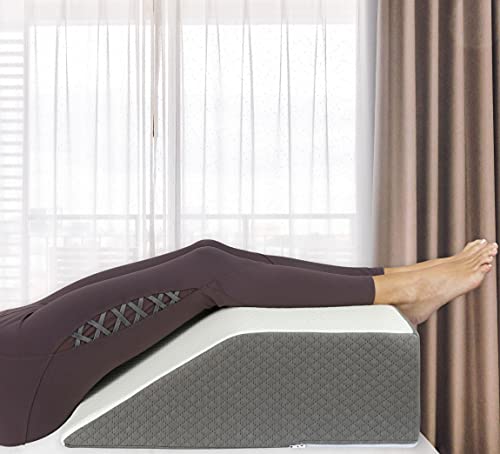
If you are looking for an easier option then think about using a leg elevation pillow in the evening when you get in from work.
I know that if I’ve been on my feet all day I can end up with slightly swollen ankles. When I elevate my legs it helps to boost my circulation and reduces the swelling in my lower legs.
When your legs are elevated above your heart, gravity helps drain excess fluid and blood that may have accumulated in the ankle and calf area, which can contribute to the appearance of thick, swollen ankles.
The good news about this option is it takes zero effort and can be done while you are lying down (my kind of activity).
Leg elevaton pillows can help to:
Reduces Fluid Retention: One of the main causes of cankles is fluid retention, often due to standing or sitting for long periods. Elevating your legs allows the body to naturally drain excess fluids from the lower legs, reducing swelling in the ankles.
Improve Blood Circulation: Poor circulation can lead to swelling in the ankles and calves. By elevating your legs, you improve blood flow back to the heart, helping to prevent blood from pooling in the lower legs and contributing to cankles.
Ease Pressure on the Lower Legs: Elevating the legs takes pressure off the veins and reduces the strain on the muscles in your calves and ankles, allowing the body to relax and recover. This helps reduce inflammation and puffiness, which can make the ankles look less thick.
Regularly using a leg elevation pillow, especially after long days of standing or being on your feet, can be an effective way to reduce swelling and the appearance of cankles.
Buy Some Compression Socks To Reduce Cankles
As well as using a leg elevation pillow you can also buy some compression socks or tights. These don’t have to be something you only wear on planes because they can help reduce the appearance of cankles by improving circulation and reducing swelling in the ankles and calves. These specially designed socks and tights apply gentle pressure to the lower legs, helping to prevent fluid buildup and alleviate swelling, which is a common cause of cankles.
Compression socks can:
Improve Blood Circulation
Compression socks exert gradual pressure on the legs, with the strongest compression typically around the ankle. This helps boost blood flow back toward the heart, preventing blood from pooling in the lower extremities. Poor circulation can cause swelling and fluid retention in the ankles, leading to the appearance of cankles. By improving circulation, compression socks help keep the ankle and calf area looking slimmer.
Reduce Swelling
Cankles often occur when fluid accumulates in the soft tissues of the lower legs, a condition called edema. Compression socks help squeeze excess fluid out of the legs and prevent it from settling around the ankles. This reduction in swelling can make the ankles appear more defined.
Prevent Fluid Retention
By applying constant pressure, compression socks help prevent fluids from collecting in the ankle and calf area. Whether you’re standing or sitting for extended periods, wearing compression socks can prevent the leg tissues from retaining water, which is often a significant contributor to cankles.
Support Veins and Reduce Pressure
Compression socks support the veins and muscles in the lower legs, reducing the stress and pressure that can cause swelling. They help the veins work more efficiently, pushing blood upward, which is particularly helpful if you experience swelling due to long hours of standing, pregnancy, or circulation issues.

Use a Foot Massager for Cankles
Once again this is an activity that can be down when you are lying down watching TV.
They Can Improve Blood Circulation
A major cause of cankles is poor circulation, where blood tends to pool in the lower legs, causing swelling around the ankles. A massager device stimulates blood flow by applying gentle pressure and movement, which helps push blood and fluids back toward the heart. Massagers can help reduce the puffiness and swelling that contribute to thick ankles.
Reduce Fluid Retention and Swelling
Massaging the legs helps move excess fluids (like lymphatic fluid) that may accumulate in the soft tissues of the lower legs and ankles, a condition known as edema. A foot and leg massager promotes lymphatic drainage, reducing water retention and relieving swelling, which can make the ankle area look more slender and defined.
Relieves Muscle Tension
Sometimes cankles can develop when the muscles in the legs become tight or fatigued from standing or sitting for long periods. By relaxing the calf and foot muscles, a massager can reduce pressure on the lower legs, easing inflammation and enhancing recovery. This relaxation effect helps minimize swelling in the ankles.
Prevents Cankle-Causing Inflammation
Inflammation in the lower legs from overuse, injury, or fatigue can lead to swelling, causing the ankle and calf to blend together. By stimulating the soft tissue, massagers reduce inflammation, promoting healing and preventing the accumulation of fluids that cause cankles.
A foot and leg massager helps reduce cankles by improving circulation, reducing swelling, and relieving muscle tension, all of which can slim and define the ankles for a more toned appearance.

I love salt but sadly it isn’t good for you and reducing the amount you can consume can not only impact your general health but improve the appearance of cankles as well. High sodium levels cause water retention and swelling especially in your lower legs and ankles which is why it is so important to use less.
Salt, or sodium, causes the body to retain water. When you consume too much salt, the body holds onto extra fluid to balance the sodium levels in your bloodstream. This fluid often accumulates in the lower extremities, including the ankles and calves, leading to swelling, which contributes to the appearance of cankles. Reducing salt helps the body release excess water, which reduces puffiness and bloating in the ankle area.
Plus too much salt can lead to inflammation and swelling in the tissues of the lower legs. The ankles and feet, being farthest from the heart, are particularly prone to swelling when fluid accumulates. By cutting back on sodium, you reduce this swelling, allowing for more definition between the calf and ankle.
Cankles are often a result of edema, a condition where excess fluid builds up in the body’s tissues. Sodium is a major factor in causing edema because it increases fluid retention. By lowering your salt intake, you can help prevent edema and reduce the likelihood of swollen, thick ankles.
Stay Hydrated
Finally last but not least try and stay hydrated if you want to improve the appearance of your cankles?
Why? Well drinking more water helps to reduce water retention, improve circulation and helps to improve your overall health. It may seem counterintuitive but drinking more water helps to stop swelling and bloating in the lower legs and ankles.
When your body doesn’t get enough water, it goes into “survival mode” and starts to retain fluids, often in areas like the ankles and calves, leading to swelling. This is a common cause of cankles. By staying properly hydrated, you signal to your body that it doesn’t need to hold onto extra water, allowing it to release the fluids that cause swelling.
Drinking plenty of water also helps to flush out excess sodium from the body which is a key factor in water retention. Sodium causes the body to retain fluids, leading to puffiness and swelling around the ankles. By staying hydrated, you help the kidneys efficiently remove sodium, which reduces fluid buildup and the appearance of cankles.
The lymphatic system is responsible for removing waste and excess fluids from the body. When you’re dehydrated, the lymphatic system may not function as efficiently, leading to fluid retention and swelling, particularly in the ankles. Staying hydrated keeps the lymphatic system working properly, helping to remove excess fluids and reduce swelling.
So which approaches are you going to use to improve your cankles? Let me know which ones worked best for you.


- Slim Sneakers For Women – 5 Of The Best Trainers To Buy - February 27, 2026
- Backless Loafers – This Years Big Footwear Trend - February 21, 2026
- The Best Sneakers To Wear With Long Dresses - February 18, 2026

