Last Updated on August 5, 2024 by Martina McKeough
There are actually a huge number of natural remedies that you can use for nail fungus and I’ve already talked about a number of them in my posts including neem oil, tea tree oil and even coconut oil. However today I want to talk to you about how to use Hydrogen Peroxide for Nail Fungus and give you a step by step guide to trying it at home.
Whilst my previous guides have almost solely revolved around using oils it’s good to know that there are other alternatives that you can use as well.
This post may contain affiliate links which means that we get a commission if you choose to make a purchase through the link. This is at no cost to you. Please read our disclosure page for more information.
Why Hydrogen Peroxide Helps
There are a number of reasons why hydrogen peroxide can be helpful including:
- Its Antifungal Properties: Hydrogen peroxide has strong antifungal properties. It works by breaking down fungal cell walls which helps kill the fungus responsible for the infection.
- Oxidizing Agent: As a powerful oxidizing agent, hydrogen peroxide releases oxygen when it comes into contact with organic matter. This oxygenation can disrupt the environment where the fungus thrives, making it harder for the fungus to survive and multiply.
- Disinfectant Qualities: Hydrogen peroxide is widely known for its disinfectant capabilities. It can help to sanitize the affected area, preventing secondary infections and promoting a cleaner environment for the healing process.
- Penetration Ability: Hydrogen peroxide can penetrate the nail bed where the fungus often lives. This allows it to reach the root of the infection more effectively than some surface treatments.
- Ease of Use: Hydrogen peroxide is easily used at home and isn’t hard to buy. I love natural remedies that make things simple as most people can’t be bothered with complicated regimes.
What Strength Hydrogen Peroxide For Nail Fungus?
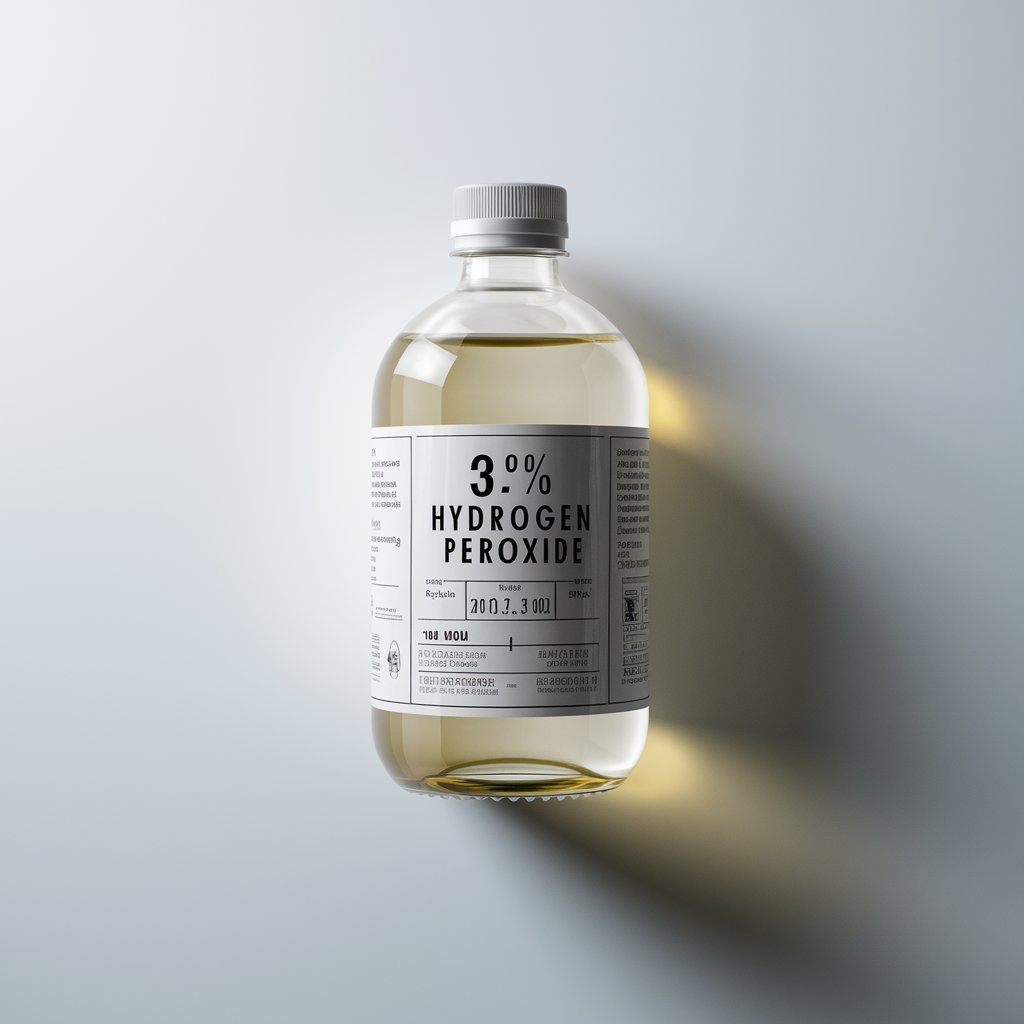
For treating toenail fungus, a 3% hydrogen peroxide solution is the strength that you should typically use. This is because it is strong enough to effectively kill the fungus without damaging your skin and nails.
A 3%, hydrogen peroxide can effectively penetrate the nail and surrounding skin to reach the fungus, disrupting its cell walls and killing it. If you use higher concentrations then there is the possibility of skin irritation and burns. So choosing the 3% solution strikes the right balance between effectiveness and safety.
Plus the 3% solution is the one that is most widely available in pharmacies and supermarkets making it easier for you to buy to use at home.

Products Needed For Nail Fungus Treatments
- Hydrogen peroxide (3% solution)
- Warm water
- A small bowl or basin
- Cotton balls or swabs
- Nail file or emery board
- Towel
How To Use Hydrogen Peroxide For Nail Fungus – Step-by-Step Guide:
Start by cleaning and trimming your toe nails making them as short as possible. This helps the hydrogen peroxide to penetrate the areas of your nail with a problem more easily. You can also file the surface of the nail to remove any dead layers which also helps with penetration
The prepare the Hydrogen Peroxide solution. This is really easy to do by mixing equal parts of your 3% Hydrogen Peroxide with warm water in a basin or bowl.
How Long To Leave Hydrogen Peroxide on Nail Fungus?
When you have your solution ready soak your nails. Now you can either submerge your nails into the solutions for 15-20 minutes or you can use my preferred method which is soaking cotton balls in the solution and letting it sit directly on the problem nails for 10 minutes.
In both cases you should really do this twice a day to get the best results.
After soaking or using the cotton balls dry your feet with a towel and then air dry further before putting your shoes or socks back on.
As nail fungus can be contagious I like to disinfect my nail clippers and files to stop the possibility of reinfection. I also put on fresh socks or tights after I have soaked my feet.
Monitor Your Progress
As with many things in life consistency is really key as you need to repeat this process over a period of weeks and months to get real improvement.
You should also follow these simple tips to increase the effectiveness of the treatment.
- Use Fresh Hydrogen Peroxide: Make sure the hydrogen peroxide solution you’re using is fresh. Hydrogen peroxide loses its effectiveness over time, especially once opened.
- Avoid Moist Environments: Try to keep your feet dry and avoid wearing damp shoes or socks, as moisture promotes fungal growth.
- Practice Good Foot Hygiene: Regularly wash and thoroughly dry your feet, and avoid walking barefoot in communal areas like locker rooms or pool.
By following these steps consistently, you should be able to manage and reduce nail fungus over time with hydrogen peroxide.
*This site is owned and operated by Chicpedi.com. Chicpedi.com is a participant in the Amazon Services LLC Associates Program, an affiliate advertising program designed to provide a means for sites to earn advertising fees by advertising and linking to Amazon.com. As an Amazon Associate, I earn from qualifying purchases.


- Slim Sneakers For Women – 5 Of The Best Trainers To Buy - February 27, 2026
- Backless Loafers – This Years Big Footwear Trend - February 21, 2026
- The Best Sneakers To Wear With Long Dresses - February 18, 2026