Last Updated on October 18, 2025 by Martina McKeough
I am a big fan of making homemade products provided that they are simple and effective at solving problems and foot soaks are some of the easiest you can make. If you can follow a basic recipe then you can follow these. Today I want to talk about homemad foot soaks for toenail fungus because this is an issue that is one of the most popular on my blog.
Toenail fungus is really common and the tell tale signs are thick, discoloured and brittle nails which tell you that you need to do something.
While prescription treatments exist in many cases home made remedies like foot soaks can make a difference. The important thing is to do them consistently so that the infection doesn’t spread. These are three of my favourit foot soaks you can use and each has a clear recipe and instructions you can follow.
As ever if you have sensitive sking or medical issues then do a small patch test first or ask your doctor if they are ok to use. If you don’t see improvements in a couple of months or your problem appears to be getting worse see a medical professional.
This post may contain affiliate links which means that we get a commission if you choose to make a purchase through the link. This is at no cost to you. Please read our disclosure page for more information.
Tea Tree Oil and Epsom Salt Foot Soak
Tea tree oil is one of the best antifungal products you can get and when you combine it with Epsom salt it creates a mightly foot soak that fights infection, soothes your skin and helps to reduce irritation.
How to Make It
- Fill a basin or foot bath with warm water.
- Add half a cup of Epsom salt.
- Add 10 to 15 drops of tea tree essential oil.
- You can add a few drops of lavender or peppermint oil if you like, but it is optional.

How to Use
Soak your feet for 15 to 20 minutes, making sure the affected nails are fully submerged. I like to add lavender oil to this foot soak as it helps to relax me when I’m waiting for the product to do its work.
Dry your feet thoroughly afterward, especially between the toes. For best results, apply more neat tea tree oil or an antifungal cream directly to the nail once the soak is done.
This soak is best for mild to moderate infections and itchy skin on your feet.
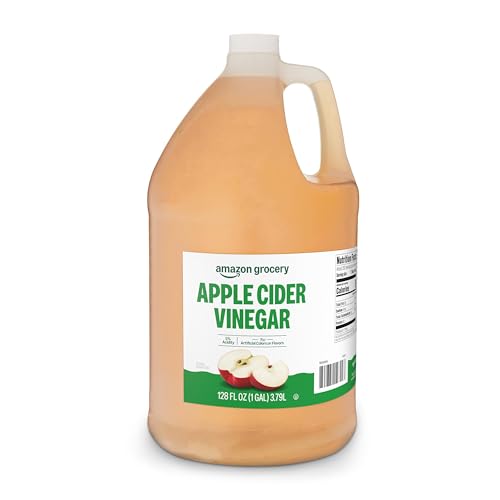
Apple Cider Vinegar and Baking Soda Foot Soak
I have a whole post on the benefits of using a vinegar and baking soda foot soak for foot health that you can read.
This is one of the most popular foot soaks I write about as the vinegar is great at creating an environment where fungus can’t thrive. When you add baking soda into the fix it also helps to break down fungal growth and is great at neutralising smelly feet as well.
How to Make The Foot Soak
- 1 part apple cider vinegar
- 2 parts warm water
- 2 tablespoons baking soda
- Optional: 1 tablespoon sea salt or Epsom salt for extra cleansing power
Instructions
Add your vinegar and warm water into your foot basine and stir in the baking soda. It will start to fix but this is normal.
Add in any additional ingredients like sea salt or Epsom salt if you want and then soak you feet in the mixture for 20 minutes.
After you have finished rinse your feet with clean water and dry them properly especially between the toes.
If you have sensitive skin try and use this every other day until you know that you are able to tolerate it. Once you have become used to it move it to once a day. Try and moisturize your feet afterwards if you can to provent your feet becoming too dry.
Why It Works
- Vinegar lowers the pH, making it difficult for fungus to survive.
- Baking soda acts as a mild exfoliant which helps to soften thick nails and neutralise odour.
Hydrogen Peroxide and Listerine Mouthwash Soak
This is one of the strongest at-home soaks people use for nail fungus. Listerine mouthwash contains antiseptic ingredients designed to kill bacteria in the mouth, and when combined with hydrogen peroxide, it becomes a powerful disinfectant for fungal infections.
How to Make It
- Mix one cup of hydrogen peroxide (3 percent solution) with one cup of antiseptic mouthwash.
- Add warm water to a basin and mix the products and stir so they are well mixed
Soak your feet in the mixture for 15 to 20 minutes. Afterwards make sure you rinse them with water and they dry your feet properly.
Just note that hydrogen peroxide can be drying to the skin, so apply moisturiser or antifungal balm when finished to prevent your skin on your feet cracking.
This soak is most effective for more stubborn or advanced toenail fungus that has not responded to gentler methods.

Are There Easy Shop Bought Alternatives?
I know that not everyone wants to make things themselves so if you want something you can use straight out of the packet them choose this Foot Cure Tea Tree Oil Foot Soak.
Thousands of people buy this each month and find that it really helps and it is super easy to use.

How Often Should You Use Foot Soaks for Toenail Fungus?
Consistency is what makes the biggest difference. For mild fungal infections, three soaks per week is usually enough. For more noticeable thickening or discolouration, daily soaks are recommended for at least six weeks. Severe infections may take several months of daily treatment before results become visible. Toenails grow slowly, so you need to be patient.
If you are still not getting results then talk to a doctor or podiatrist to explore prescription options.
How to Prevent the Fungus from Returning
Even the best soak will not work if fungus keeps being reintroduced.
To keep your nails healthy trim them straight across and file thick every week. Make sure you disinfect your nail tools after every use.
Change your socks daily and choose breathable fabrics such as cotton or bamboo so that sweat doesn’t build up. Also spray your shoes with an antifungal spray and avoid walking barefoot in public places such as swimming pool areas and gym locker rooms.
Which Foot Soak For Toe Nail Fungus Will You Choose?
All three foot soaks can be effective, but each one has a slightly different strength. The tea tree and Epsom salt soak is a good general option for daily use and relaxation. Apple cider vinegar and baking soda is better suited to strong odour and nail thickening. Hydrogen peroxide and mouthwash works best for stubborn or slow-healing infections.
If you are unsure where to start, begin with the tea tree oil soak and monitor your progress for a couple of weeks. If results are too slow, switch to the hydrogen peroxide method for a stronger approach.
*This site is owned and operated by Chicpedi.com. Chicpedi.com is a participant in the Amazon Services LLC Associates Program, an affiliate advertising program designed to provide a means for sites to earn advertising fees by advertising and linking to Amazon.com. As an Amazon Associate, I earn from qualifying purchases.


- Slim Sneakers For Women – 5 Of The Best Trainers To Buy - February 27, 2026
- Backless Loafers – This Years Big Footwear Trend - February 21, 2026
- The Best Sneakers To Wear With Long Dresses - February 18, 2026

